By Britany Erickson
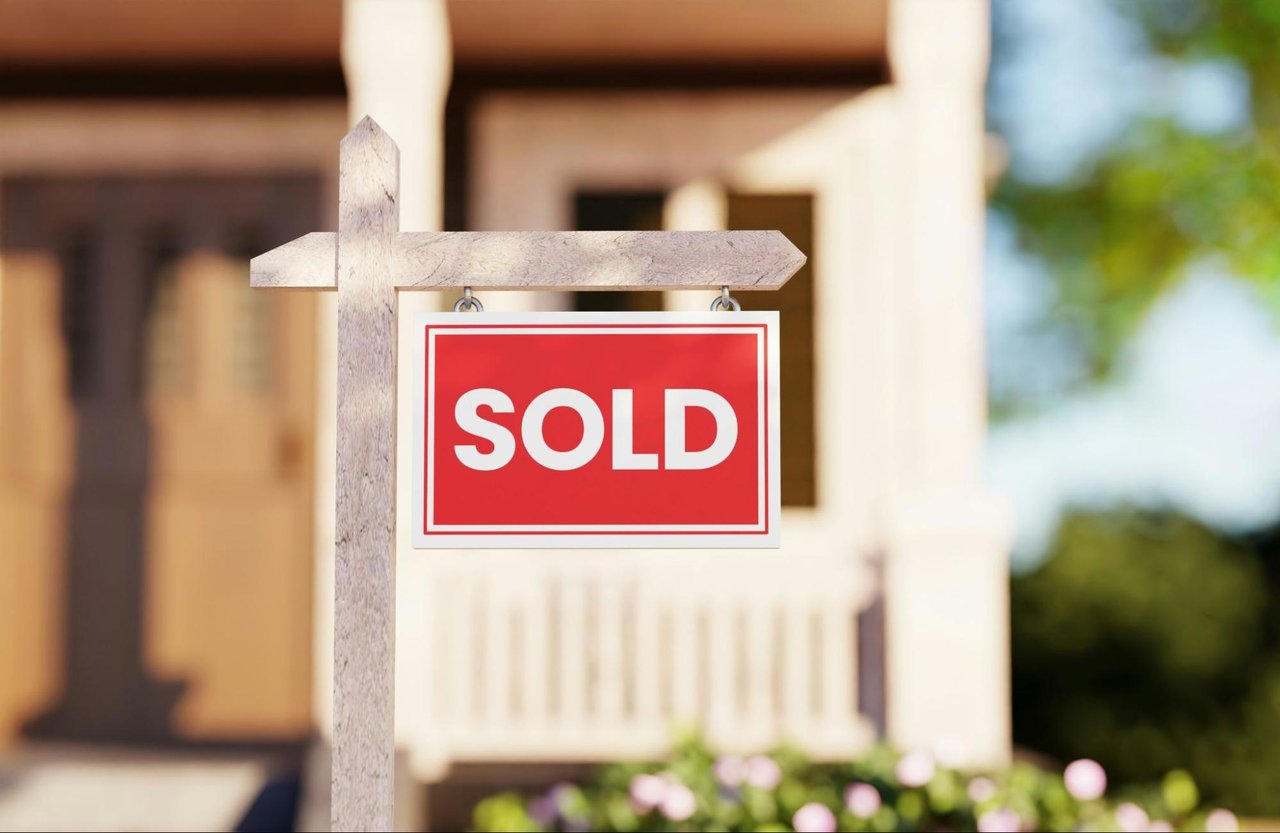
Selling a home for the first time comes with a lot of new territory, even if you've been through the buying side before. Knowing what to expect selling your home for the first time, from getting ready to list all the way through closing day, makes the whole process feel a lot more manageable and a lot less like guesswork.
Key Takeaways
- Preparing your home and finances comes before you ever list.
- Pricing and staging both play a real role in how buyers respond.
- Marketing and showings introduce your home to the right people.
- Reviewing offers carefully sets up a smoother path to closing.
Get Ready Before You List
Before your home goes on the market, it helps to calculate your equity and think through the costs involved in selling, including closing costs and moving expenses. Researching current local market conditions and inventory gives you a realistic sense of what to expect, and deciding how you want to sell, whether through an agent or another method, shapes everything that follows. Handling any needed inspections or repairs upfront also means fewer surprises once buyers start touring.
Among the most useful first-time home seller tips is simply this: the more groundwork you do before listing, the smoother everything tends to go afterward.
Steps Worth Taking Before You List
- Calculate your home equity and total costs of selling.
- Research current market conditions in your area.
- Handle inspections or repairs before your first showing.
Price and Stage Your Home Thoughtfully
Setting the right price starts with looking at comparable sales nearby, with a little cushion built in for negotiation unless you're in an especially competitive market. Pricing too high can backfire, since homes that linger on the market often end up selling for less than they would have with a more accurate initial price.
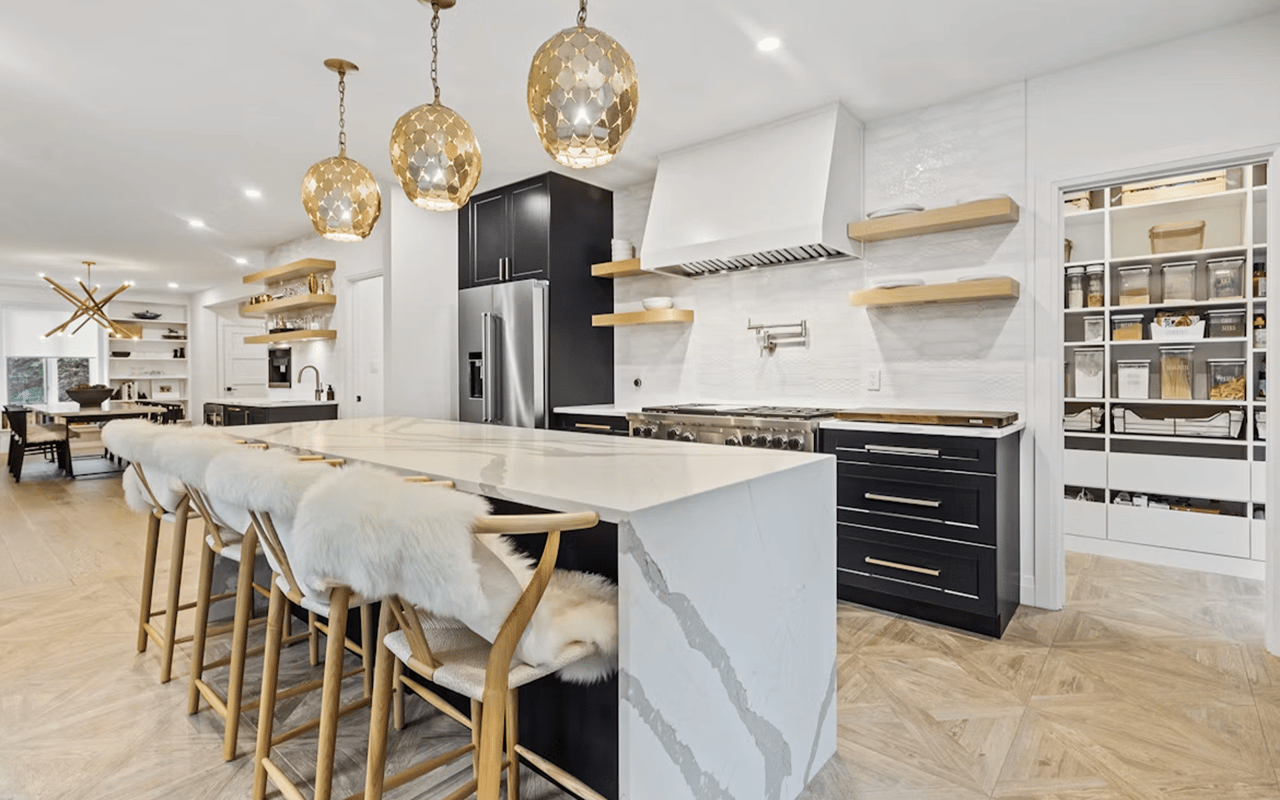
Staging matters too. Keeping things neutral, simple, and free of clutter helps buyers picture themselves in the space rather than seeing it as someone else's home. According to the National Association of Realtors, a large majority of agents say staging helps buyers visualize a property, and roughly half report it reduces time on market.
Pricing and Staging Priorities
- Use comparable sales to set a realistic, competitive price.
- Leave room for negotiation rather than pricing at the very top.
- Declutter and neutralize spaces so buyers can picture themselves there.
Market Your Home and Prepare for Showings
Professional photography plays a bigger role than many first-time sellers expect, with most agents ranking it as the single most important part of a listing. From there, your agent will typically list your home on the MLS and may suggest an open house during your first weekend on the market to build early momentum.
Highlighting what makes your home's location special can help it stand out too. Evanston has real character to lean on here: the Union Pacific Railroad Roundhouse, built between 1912 and 1914, is one of the only complete roundhouse complexes left in the country and sits on the National Register of Historic Places. It's a genuine point of local pride worth mentioning when you're introducing buyers to the area.
Marketing Steps Worth Prioritizing
- Invest in professional photography before your listing goes live.
- List on the MLS and consider an early open house.
- Highlight genuine local character alongside your home's features.
Review Offers and Prepare for Closing
Once offers start coming in, it's worth looking beyond price alone. A buyer's timeline, financing terms, and any requested contingencies all factor into which offer actually makes the most sense for your situation. A rent-back agreement can also be worth considering if your home sells before you've found your next one.
From there, expect an appraisal and a buyer's home inspection, and be prepared for possible repair negotiations if issues come up. Understanding your state's closing cost responsibilities ahead of time helps avoid any last-minute surprises.
What to Expect as You Head Toward Closing
- Evaluate offers on more than just price.
- Prepare for an appraisal and buyer's inspection.
- Know your closing cost responsibilities ahead of time.
Frequently Asked Questions About Selling Your First Home
How do I know if I'm pricing my home correctly?
Comparable sales in your area are the best starting point, and an experienced agent can help you fine-tune that number based on current conditions.
Is staging really necessary if my home is already in good condition?
It's not strictly required, but staging tends to help buyers connect with a space emotionally, which can translate into faster offers.
What happens if the inspection turns up an issue?
You'll typically have the option to negotiate repairs, adjust the price, or address the issue directly before moving forward, depending on your contract terms.
Ready to Start Your Own Selling Journey?
Selling your first home doesn't have to feel overwhelming once you know what's coming at each stage. With the right preparation, you can move through the process with genuine confidence.
If you're getting ready to list your first home, I'm happy to walk through each step with you so nothing catches you off guard.
Reach out to me, Britany Erickson, when you're ready to get started.