By Britany Erickson
Not every dollar you put into a home comes back to you at resale, and knowing which factors actually move the needle can help you make smarter decisions along the way. Understanding ROI for
Evanston, WY, real estate means looking beyond just renovations to the bigger picture of location, condition, and timing.
Key Takeaways
- Location and accessibility play a major role in long-term property value.
- A home's condition and systems influence buyer confidence and price.
- Certain renovations consistently return more value than others.
- Market timing can meaningfully affect what you get out of a sale.
Location and Accessibility Matter More Than You'd Think
Regional market conditions play a real role in how much value gets added to a property over time, and accessibility is a big part of that equation. Evanston benefits from sitting right along Interstate 80, about an hour from Salt Lake City and its airport, with daily freight service running through town via the Union Pacific main line. That kind of transportation access isn't just useful for businesses. It's part of what impacts home sale price Wyoming buyers are willing to pay, since convenient access to a larger metro area adds genuine appeal.
Properties that are well-positioned relative to major routes and nearby cities tend to hold their value more consistently over time.
Location Factors Worth Considering
- Proximity to major interstates and transportation routes.
- Distance to larger metro areas and their amenities.
- How consistently the surrounding area has held its value over time.
Condition and Home Systems Build Buyer Confidence
Working home systems, like an updated roof, HVAC, and electrical setup, do a lot to build buyer confidence during a sale. When these systems are outdated or showing their age, buyers often factor that into their offer, even if the rest of the home looks great. Over-improving beyond what's typical for the neighborhood can also limit your return, since buyers generally aren't willing to pay far above what similar homes nearby are selling for.
Staying within a reasonable range for your area while keeping core systems in good shape tends to produce the best outcome at resale.
Condition Factors That Influence Buyer Confidence
- The age and condition of the roof, HVAC, and electrical systems.
- Avoiding upgrades that significantly exceed neighborhood norms.
- Overall move-in readiness compared to similar nearby homes.
Some Renovations Return More Than Others
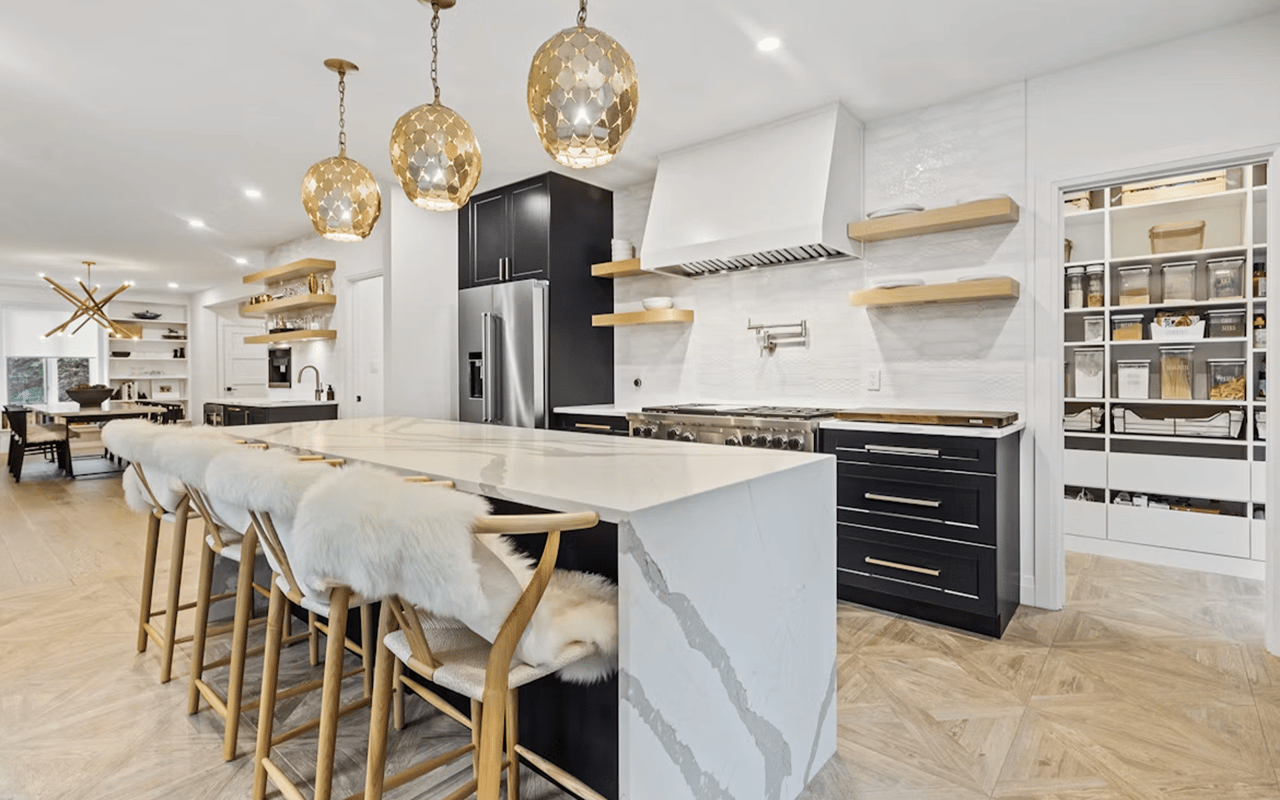
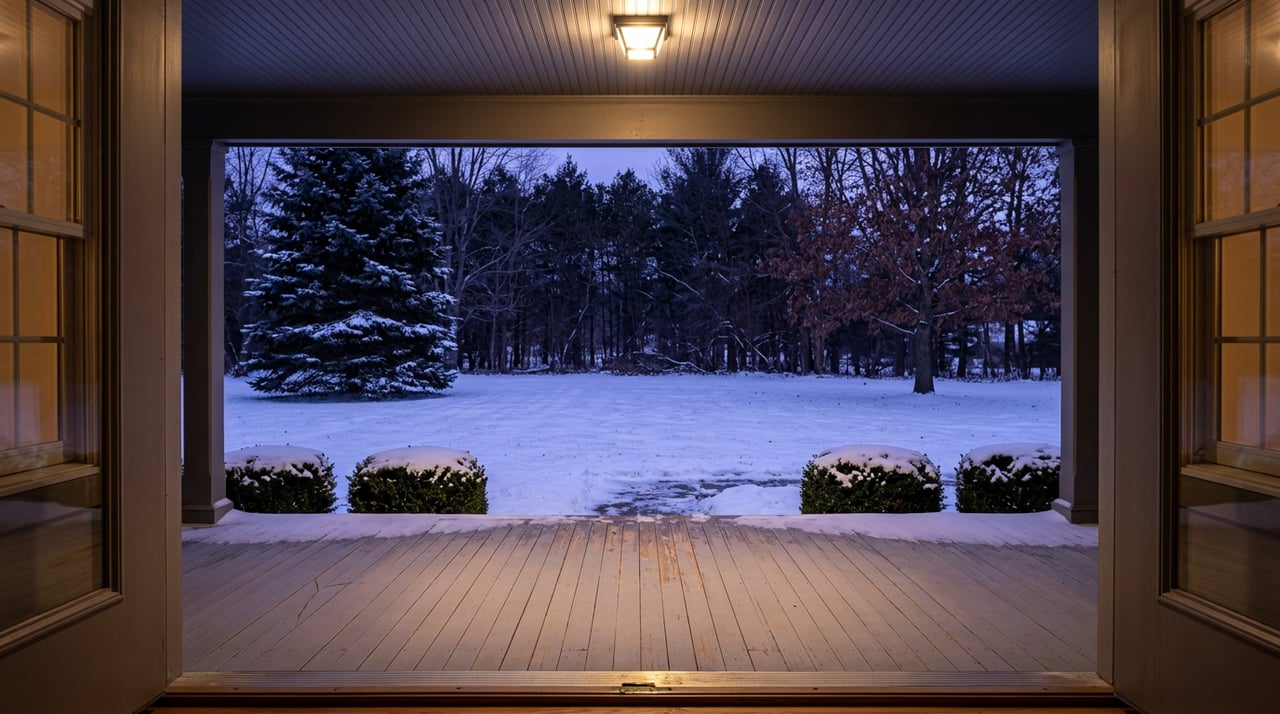
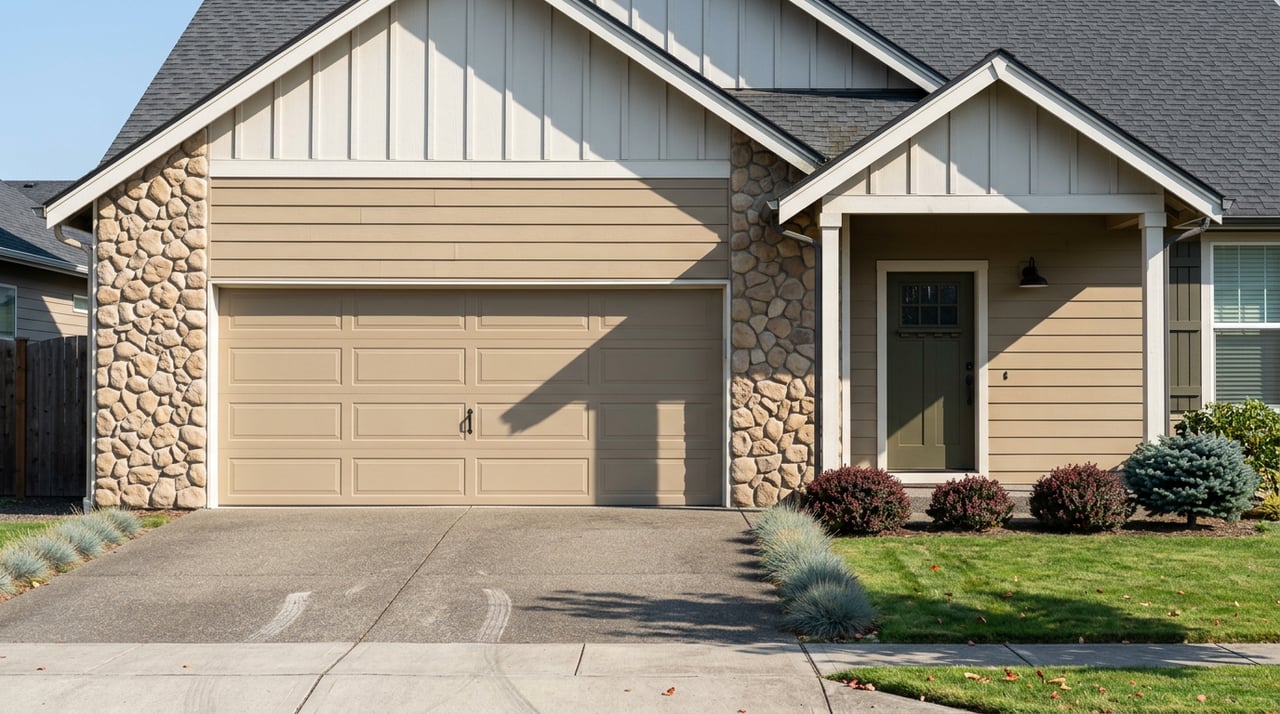
Not all renovations are created equal when it comes to ROI. Minor kitchen remodels typically recoup somewhere between 65 and 80 percent of their cost, while projects like garage door replacement, entry door replacement, and fiber-cement siding tend to perform especially well relative to their price. A well-built wood deck is another strong performer, often returning a large share of its cost at resale.
Smaller, budget-friendly updates, like a fresh coat of paint, updated landscaping, or minor bathroom refreshes, can also offer a solid return without requiring a major investment.
Renovations Worth Prioritizing
- Garage door and entry door replacements.
- Minor kitchen updates rather than full remodels.
- Curb appeal improvements like paint, landscaping, and a new front door.
Timing Can Shape Your Overall Return
When you make improvements, and when you sell, both matter. Making updates while buyer demand is high can meaningfully improve your return, while features that were once considered premium may lose some of their appeal as buyer preferences shift over time. Current market trends are worth checking before committing to any major project, since what performs well in one market or moment doesn't always translate elsewhere.
Consulting someone familiar with local conditions before making a big investment can help you avoid spending on something that won't pay off the way you expect.
Timing Considerations Worth Weighing
- Buyer demand levels at the time of your improvement or sale.
- Whether a feature is still considered desirable in the current market.
- Getting local input before committing to a major renovation.
Frequently Asked Questions About Home ROI
Is it worth renovating before I sell?
It depends on the project. Smaller, well-chosen updates often perform better than large-scale renovations, especially if your home already compares well to others nearby.
Does location really affect ROI that much?
Yes. Accessibility and proximity to larger markets are consistently among the strongest factors influencing long-term property value.
How do I know if I'm over-improving for my neighborhood?
If your planned upgrades would put your home well above what similar nearby properties are selling for, it's worth scaling back or reconsidering the scope.
Curious What This Means for Your Property?
Every home is a little different when it comes to ROI, and the factors that matter most can shift depending on your specific situation. Getting a clearer picture starts with a conversation.