By Britany Erickson
A home's exterior makes its first impression before a buyer ever steps inside, and in Wyoming that impression has to hold up through conditions that test even the most thoughtful landscaping. The right plants, soil preparation, and hardscape choices can significantly increase a property's visual appeal and perceived value — but only when they account for Wyoming's extreme winters, persistent winds, short growing season, and alkaline soils.
These landscaping tips for curb appeal are built around what actually works in this climate.
Key Takeaways
- Native and climate-adapted plants are the foundation of any successful Wyoming landscape: Species that have evolved here require less water, tolerate extreme temperatures, and resist the wind and drought conditions that kill introduced ornamentals
- Soil preparation and water management determine whether your investment survives: Wyoming's alkaline soils and dry summers require specific amendments and irrigation approaches that standard landscaping practices do not address
- Structure and hardscape carry the visual weight year-round: Defined edges, stone paths, and fencing give a property strong presence during the long months when little is actively growing
- Curb appeal landscaping Wyoming homeowners can maintain starts with realistic plant selection: Deer, rabbits, wind, and late frosts are baseline conditions that every landscape plan needs to account for from the beginning
Start With the Right Plants
Curb appeal landscaping Wyoming style begins with plant selection, and the first filter is cold hardiness followed immediately by wind and drought tolerance. Plants that meet all three criteria are the ones that will still be standing and looking good three seasons into their life in your yard.
- Native shrubs and trees that anchor the front yard: Rocky Mountain Juniper is one of the most reliable foundation plantings available; it's drought-tolerant, cold-hardy to zone 3, deer-resistant, and visually strong year-round. Quaking Aspen and Colorado Blue Spruce are also well-suited for this environment
- Hardy perennials that deliver seasonal color: Lupine, Indian Paintbrush, and Rocky Mountain Penstemon are native wildflowers that bring genuine color with minimal intervention. Prairie Smoke adds textural interest through feathery seed heads that persist through summer, and Double Knock Out Roses have proven reliable in Zone 5 communities including Cheyenne, Casper, and Gillette
- Groundcovers that reduce maintenance and erosion: Kinnikinnick is a low-growing native groundcover that provides evergreen coverage while resisting both cold and drought. For areas with minimal foot traffic, native grasses like Blue Grama or Feather Reed Grass add movement and texture while requiring far less water than traditional turf
Plants sourced from local Wyoming nurseries are often pre-acclimated to regional conditions and represent a smarter investment than mail-order stock that has not been hardened to the local climate.
Prepare the Soil and Manage Water Efficiently
Wyoming's soils present two consistent challenges (alkalinity and drainage), and addressing both before planting is one of the most important landscaping tips for curb appeal homeowners in this state can act on.
- Amend alkaline soil with organic matter before planting: Wyoming soils range from sandy to dense clay and typically run alkaline. Adding compost at a depth of six to eight inches before planting improves both water-holding capacity and nutrient availability
- Use drip irrigation rather than overhead spray: Wyoming's dry summers require consistent irrigation from late spring through early fall, but overhead spray loses significant water to evaporation in high-wind, low-humidity conditions
- Mulch beds to two to four inches with heavier bark material: Organic mulch retains moisture, moderates soil temperature, and suppresses weeds. In Wyoming's wind conditions, heavier bark mulch outperforms fine wood chips, which can blow away before the season ends. Avoid rock or gravel mulch directly against the foundation
Good soil preparation done once saves significantly more time and money than replacing failed plants year after year.
Add Structure That Works Year-Round
One of the most overlooked landscaping tips for curb appeal in Wyoming is that the landscape needs to look intentional in winter, when most plants are dormant, and snow covers the yard for months at a time.
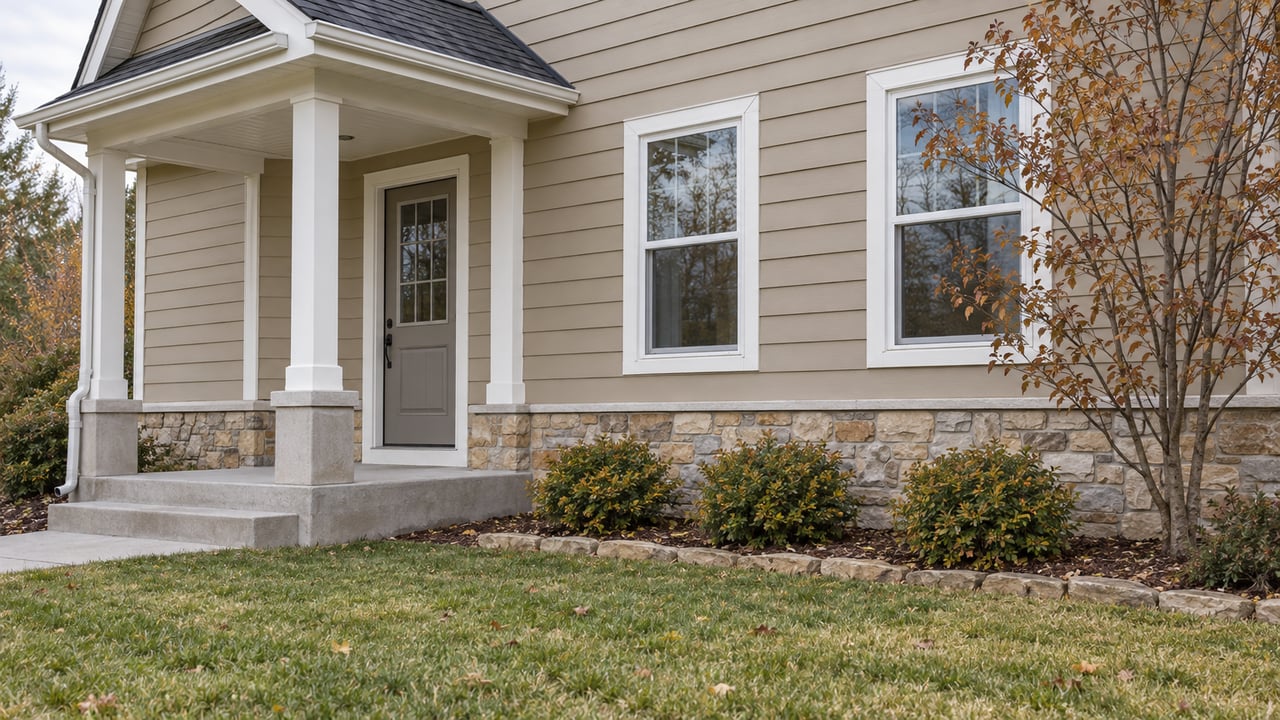
- Defined bed edges and borders: Clean, distinct edges between lawn, garden beds, and hardscape communicate care and intentionality regardless of what is blooming. Steel, stone, or treated timber edging holds its shape through freeze-thaw cycles better than plastic
- Stone paths and hardscape features: A stone or paver pathway from the street to the front door adds visual structure and practical function in a climate where mud, snow, and ice make undefended grass paths a maintenance problem
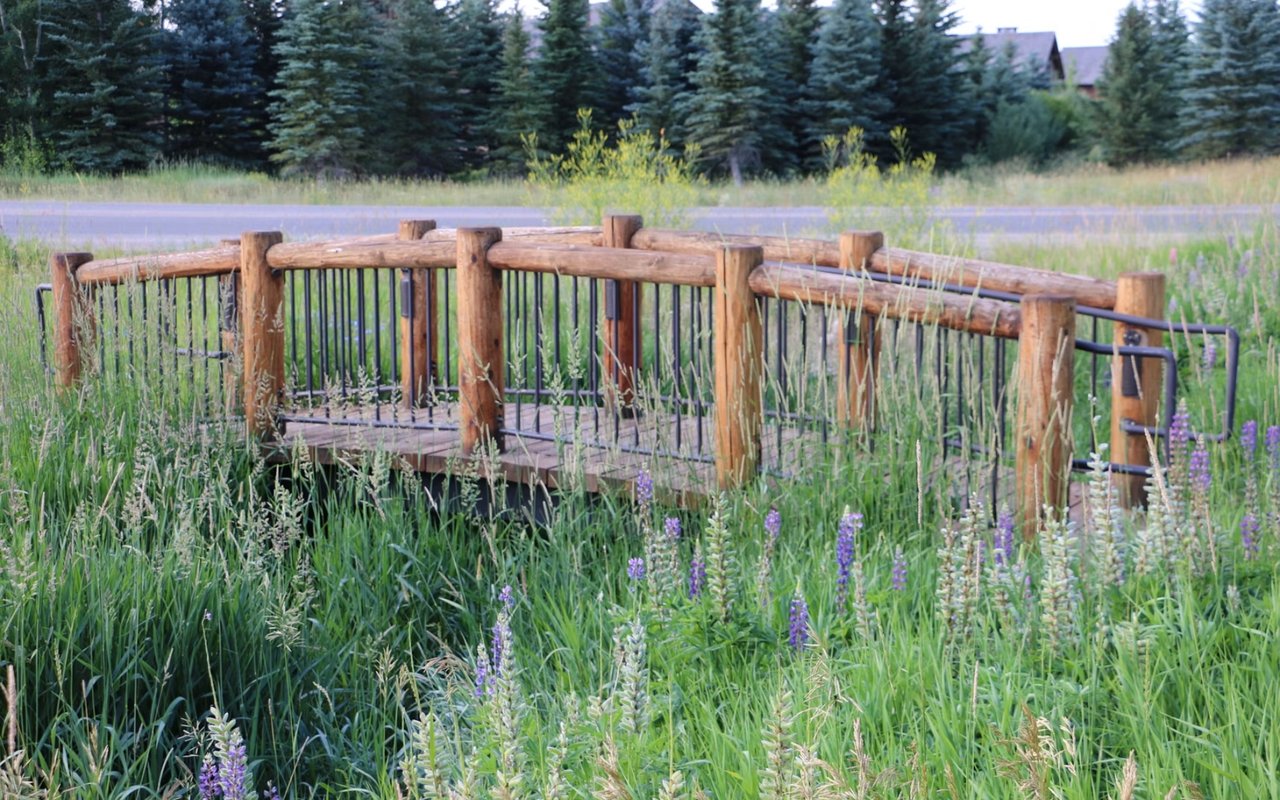
- Wind-tolerant fencing and screening: Curb appeal landscaping Wyoming homeowners rely on frequently includes fencing or low stone walls that define front yard boundaries while providing wind protection for smaller plantings. A low picket fence or split-rail with hardy climbing plants like Virginia Creeper adds warmth and character while serving a functional purpose
A structure that holds up through winter ensures that a Wyoming front yard communicates pride of ownership year-round, not just during the weeks when everything is blooming.
FAQs
What Are the Best Low-Maintenance Plants for Wyoming Curb Appeal?
Rocky Mountain Juniper, Colorado Blue Spruce, and Double Knock Out Roses consistently deliver strong visual presence with minimal maintenance. Native perennials like Lupine and Rocky Mountain Penstemon return year after year without replanting, and Quaking Aspen provides seasonal color with no significant care requirements once established.
How Do I Protect Plants From Deer and Rabbits?
Plant selection is the first line of defense. Rocky Mountain Juniper, Colorado Blue Spruce, ornamental grasses, and most native sagebrush-family shrubs are not preferred by deer. For more vulnerable plants, wire mesh around the base through the first two or three winters provides reliable protection before plants are large enough to withstand browse.
When Is the Best Time to Plant in Wyoming?
Late spring after the last frost is the primary window, ranging from early May in lower-elevation communities like Cheyenne to late May or early June at higher elevations. Early fall before hard frost can also work well for shrubs and trees, giving root systems time to establish before winter dormancy.
Contact Britany Erickson
Improving curb appeal starts before a home goes on the market, and the right landscape can meaningfully influence how buyers perceive a property from the moment they arrive. I work with sellers across Wyoming and understand what improvements make the strongest first impression.
Reach out to me,
Britany Erickson, and let's talk about how to present your home at its best.